Parents and caregivers wear many hats including protecting and keeping our children safe. Many parents are gun owners, and many are not. Yet, we can all help the children across our community stay safe from injuries and harm due to gun violence.

Support for Parents
Making sure guns are secured is an important part of keeping your family safe.
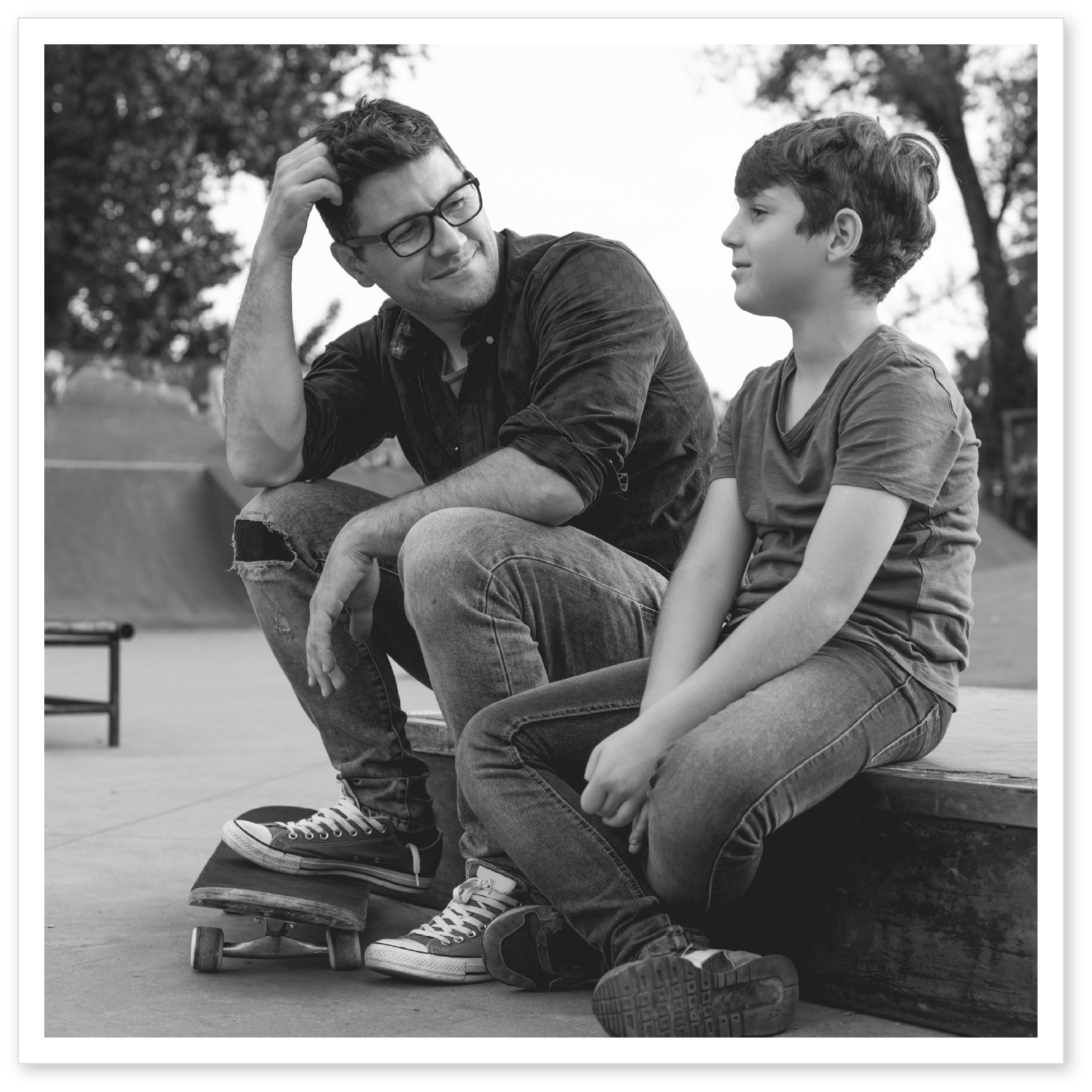
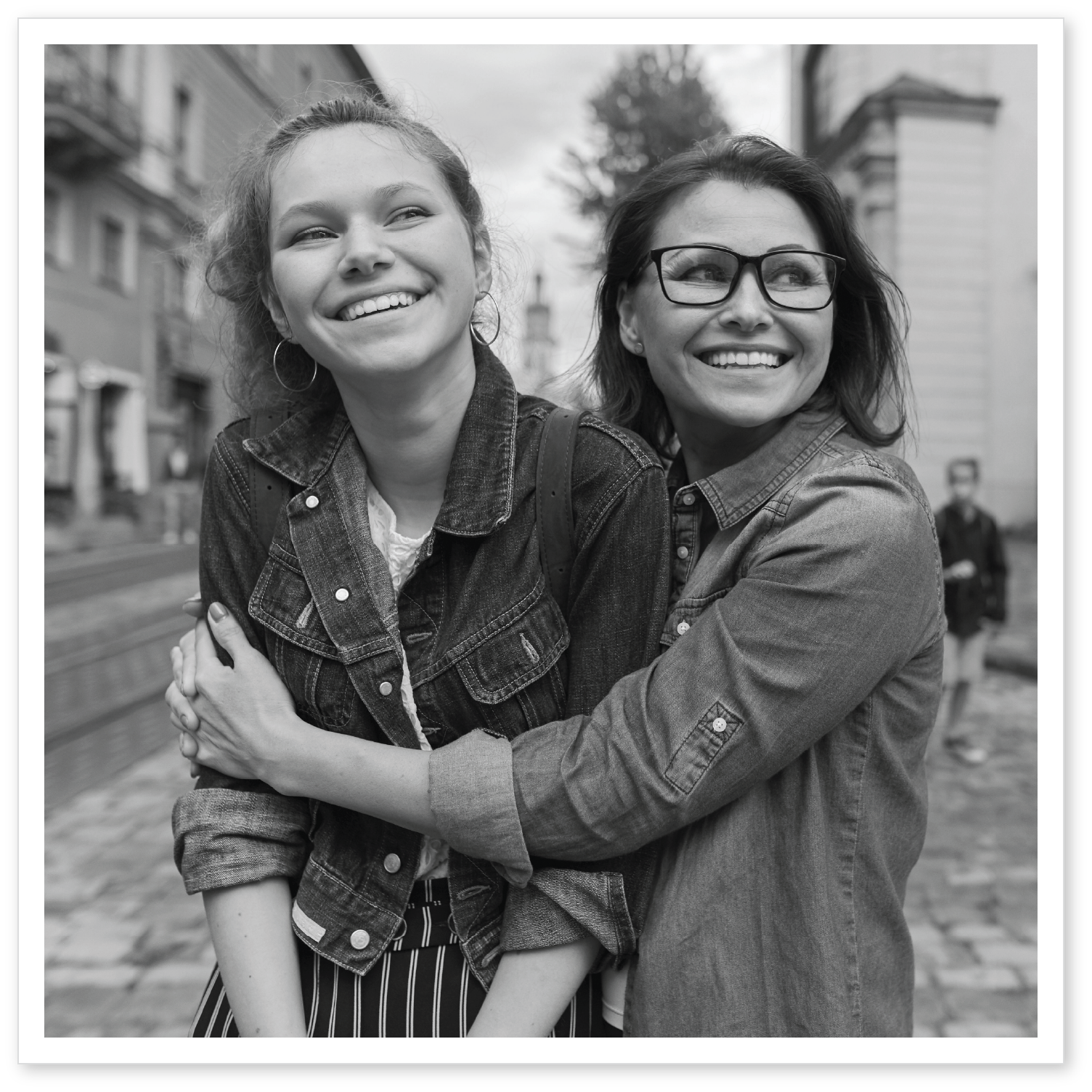
Be SMART
SMART is a framework that parents, caretakers, and community leaders can follow to help keep their communities safe. Ultimately, you can help prevent kids from accessing firearms by storing them securely, and encouraging others to do the same. Because children deserve to feel safe, no matter where they are.
Here's how to be SMART:
- Secure all firearms
- Model responsible behavior with firearms
- Ask about the unsecured firearms in other homes
- Recognize the role of firearms in suicide
- Tell your peers to be SMART also!
- Learn more by visiting besmartforkids.org
How to Talk to Kids About Gun Safety
Children are naturally curious. Therefore, it is important to remember that talking about gun safety to children should always be coupled with safe gun storage. Have the conversation early and often to help them understand that an unsecured gun is always unsafe.
How to Talk to Kids About Gun Safety
For Young Kids
- Make it part of the normal safety conversation you have with your children. Keep the language simple; for example: “If you see a gun, don’t touch it. Tell an adult right away.”
- Tell children not to touch a gun, even if it looks like a toy.
- Assure children they will not get in trouble if they tell an adult they’ve seen a gun.
- Don’t have the conversation only once. Talk to them frequently, just as you would about other crucial safety issues.
- Make sure they understand that any situation where there’s an unsupervised gun is a dangerous situation.
- It is important to remember that talking to children about guns is a precaution, not a guarantee of safety. One study found that young children who go through a week-long gun safety training are just as likely as children with no training to play with a handgun when they find one.1
Source: Be Smart
1. Marjorie S. Hardy (Sanfilippo), Teaching Firearm Safety to Children: Failure of a Program, Journal of Developmental & Behavioral Pediatrics, Vol. 23 No. 2, April 2002. 71-76.
How to Talk to Kids About Gun Safety
For Older Kids
- Include it in your general safety conversations about topics like drugs, alcohol, and drunk driving.
- Tell them to immediately leave any situation where an unsecured gun is present.
- Tell them not to listen to a friend who says a gun is unloaded or otherwise safe.
- Give your teen strategies to get out of a situation where a gun is present—or brainstorm them together. For example, you could agree that your teen would say: “Mom just texted me that I have to get home right now.”
- Assure them that it’s OK to ask about the presence of unsecured guns in other homes, but offer to do it for them if they don’t feel comfortable.
- Don’t have the conversation only once. Talk to them frequently, just as you would about other crucial safety issues.
- Make sure they understand that any situation where there’s an unsupervised gun is a dangerous situation.
- It is important to remember that talking to children about guns is a precaution, not a guarantee of safety. One study found that young children who go through a week-long gun safety training are just as likely as children with no training to play with a handgun when they find one.1
Source: Be Smart
1. Marjorie S. Hardy (Sanfilippo), Teaching Firearm Safety to Children: Failure of a Program, Journal of Developmental & Behavioral Pediatrics, Vol. 23 No. 2, April 2002. 71-76.
Talking with Other Parents
Start the conversation with other parents
Make asking about gun storage a priority. Never assume you know someone’s stance on safe firearm storage. Instead, ask the question.
Extend the first invitation.
When you invite someone’s child to your home, describe the safety measures you use — including safe firearm storage if you own a gun. This will reassure other parents and make it easier for you to ask safety questions in the future.
Listen for red flags.
Consider whether the other parent’s home sounds like a safe environment for your child. One red flag is when a parent says that their guns are “hidden” or “out of reach.” Kids can find anything adults try to hide.
Community and Partner Resources for Youth
Community Resources
For Parents & Caregivers
-
Education and Support
Thompson Prevention
Thompson provides support for children and families including parent support groups, education, and parenting programs.
Thompson (opens in a new tab) -
Parenting Support
Triple P (Positive Parenting Program)
Triple P supports parents in raising confident, healthy children and teenagers by giving parents the practical skills they need to build strong family relationships. Triple P doesn't tell people how to parent, rather it gives them simple and practical strategies they can adapt to suit their own values, beliefs, and needs.
Triple P (opens in a new tab) -
Parenting Classes
The Relatives
The Relatives offers monthly classes on “Parenting Challenging Youth” based on the Love & Logic parenting model.
The Relatives (opens in a new tab) -
Peer and Family Support
Mental Health America of Central Carolinas
Provides education, advocacy, and support for parents navigating the education, child welfare, mental health, and juvenile justice systems. They also host parent support groups.
Mental Health America (opens in a new tab) -
Parenting Classes
Teen Health Connection
Teen Health Connection offers parenting resources specifically designed to strengthen parental efficacy and build healthy connections between parents and their teens.
Teen Health Connection (opens in a new tab) -
Tools and Guidance
Center for Prevention Services
Offers various educational programs to support youth and families including the Strengthening Families Program (SFP), Strong African American Families (SAAF), and Familia Adelante.
Center for Prevention Services (opens in a new tab) -
Free Therapy Sessions
Thrive Wellness Group
Thrive Family Wellness Group bridges the gap in mental health access for under-served communities by connecting youth and families with licensed clinicians, including free therapy sessions.
Thrive Wellness Group (opens in a new tab)
For Youth & Teens
-
A Kidpreneur's Hub
Money Magnets Club
Money Magnets Club is a community (based in Charlotte, NC) that encourages entrepreneurship and financial literacy among elementary school kids and their families through exposure, education, and resources, to build generational wealth.
Money Magnets Club (opens in a new tab) -
Learn, Create, Grow
Exposure Project
Exposure Project is an innovative Charlotte based program, providing youth an opportunity to engage in character development and exposure to career exploration through a hands on approach.
Exposure Project (opens in a new tab) -
Therapy Services, Adaptive Riding, Veterans Services
Shining Hope Farms
Shining Hope Farms is a nonprofit organization whose mission is to enable children and adults to reach their full potential through the use of equine assisted activities and therapies.
Shining Hope Farms (opens in a new tab) -
Youth Summer Program
Teen Summer Jam Basketball League 2026
Get ready to ball out this summer. The Teen Summer Jam Basketball League is open to all teens ages 13–18 who want to sharpen their skills, compete, and have fun with friends in a high‑energy, community‑focused league.
Summer Jam Basketball (opens in a new tab) -
Youth Summer Program
Teen Summer Pool Jam
Mark your calendars for our first ‘Teen Summer Pool Jam’! Grab your friends and kick off the summer with us for a massive pool party.
Summer Pool Jam (opens in a new tab) -
Youth Summer Program
Teen Leadership Summit
This summit is led by trained teens alongside supportive adults who believe in empowering every adolescent to be healthy, safe, and successful.
Teen Health Connection (opens in a new tab) -
Youth Summer Program
Teen Summer Jam
Join us for Teen Summer Jam, a free Friday‑night event created just for teens ages 13–18! From 6:30 PM to 11:00 PM, the recreation center transforms into a safe, fun, teen‑only hangout space featuring music, food, games, basketball, and plenty of time to chill with friends.
Teen Summer Jam (opens in a new tab) -
Support for Youth in Crisis
Youth Wellness Hubs
Youth Wellness Hubs is a support program for youth ages 8 to 20 who have experienced thoughts of self-harm or a recent mental health crisis within the past 90 days.
Youth Wellness Hubs (opens in a new tab) -
City of Charlotte
Office of Youth Opportunities
The Office of Youth Opportunities connects Charlotte’s young people with paid jobs, mentorship, leadership experiences, and safe spaces to learn and grow.
Youth Opportunities (opens in a new tab)
Contact Us
Email: OVP@MeckNC.gov

Copyright 2026, Mecklenburg County, North Carolina